
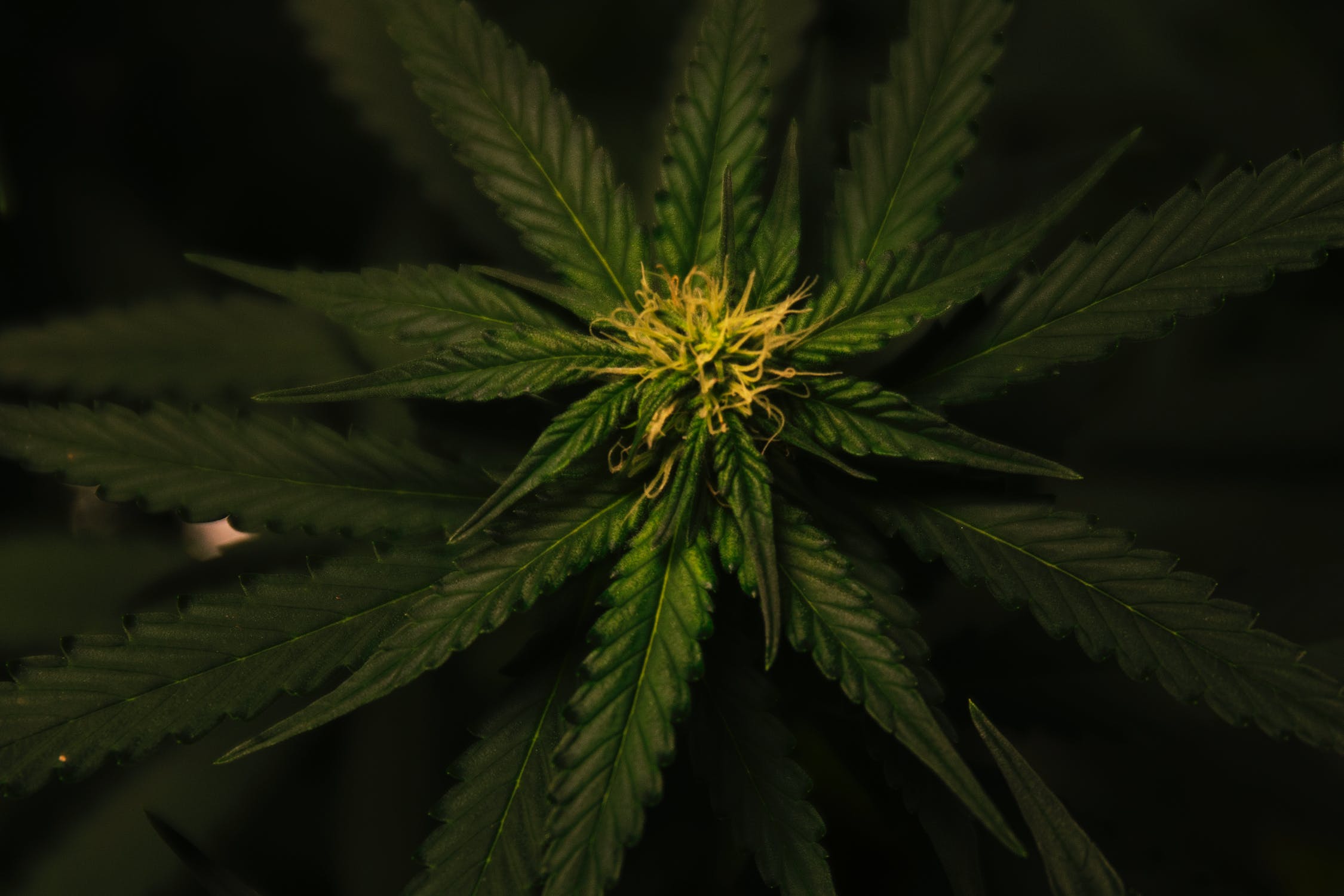
GetHealthAccess.com | According to reports, the Philippines Dangerous Drugs Board approved “in principle” the legal use of CBD Oil or Cannabis Oil (marijuana) as a form of treatment for severe forms of epilepsy. This has been the long-time advocacy of many parents of epilepsy sufferers in the Philippines and across the world.
The decision was reached to create a strategy of implementation for the use of the said drug which has already been made legal across many states in the United States for a few years already. The Dangerous Drugs Board or DDB is the Philippine government’s policy-making and strategy-formulating body on the prevention and control of drug abuse. Their move is a major win for advocates on the legal and medical use of marijuana or CBD Oil.
In a report from the Philippine Daily Inquirer, among hundreds of components in cannabis, CBD, a pain reliever, is one of the two most active, the other being tetrahydrocannabinol (THC) which produces the “high” or its psychoactive effects.
WHO Says
A report by the World Health Organization (WHO) says: “In humans, CBD exhibits no effects indicative of any abuse or dependence potential … To date, there is no evidence of public health-related problems associated with the use of pure CBD.”
There has been scientific proof that CBD — which is derived from the hemp plant, a “cousin” of cannabis — alleviates seizures in people with epilepsy.
One of the most recent studies was undertaken by Dr. Orrin Devinsky, a professor of neurology, neurosurgery, and psychiatry at New York University (NYU) School of Medicine and director of NYU Langone’s Comprehensive Epilepsy Center.
Reducing seizure burden
“This new study adds rigorous evidence of cannabidiol’s effectiveness in reducing seizure burden in a severe form of epilepsy and, importantly, is the first study of its kind to offer more information on proper dosing,” said Devinsky, whose findings were published online on May 17, 2018, in the New England Journal of Medicine.
Undersecretary Benjie Reyes, a DDB permanent member, told the Inquirer that the WHO has recommended to the Commission on Narcotic Drugs (CND) — the DDB’s counterpart in the United Nations — to allow CBD with 0.2 percent THC to be reclassified in the 1971 United Nations Convention on Psychotropic Substances as Schedule 4, or substance with currently accepted medical use in treatment and has a low potential for abuse.

The Philippines is a signatory to the UN Convention on Psychotropic Drugs.
CBD (Cannabidiol) is a compound that has shown promise in a variety of medical applications, from pain relief to relieving anxiety, and many other ailments in between. A major benefit to CBD is that it doesn’t contain THC, which is the compound that makes users high, so this makes CBD an ideal medication for children.


