
Image source: Pexels.com
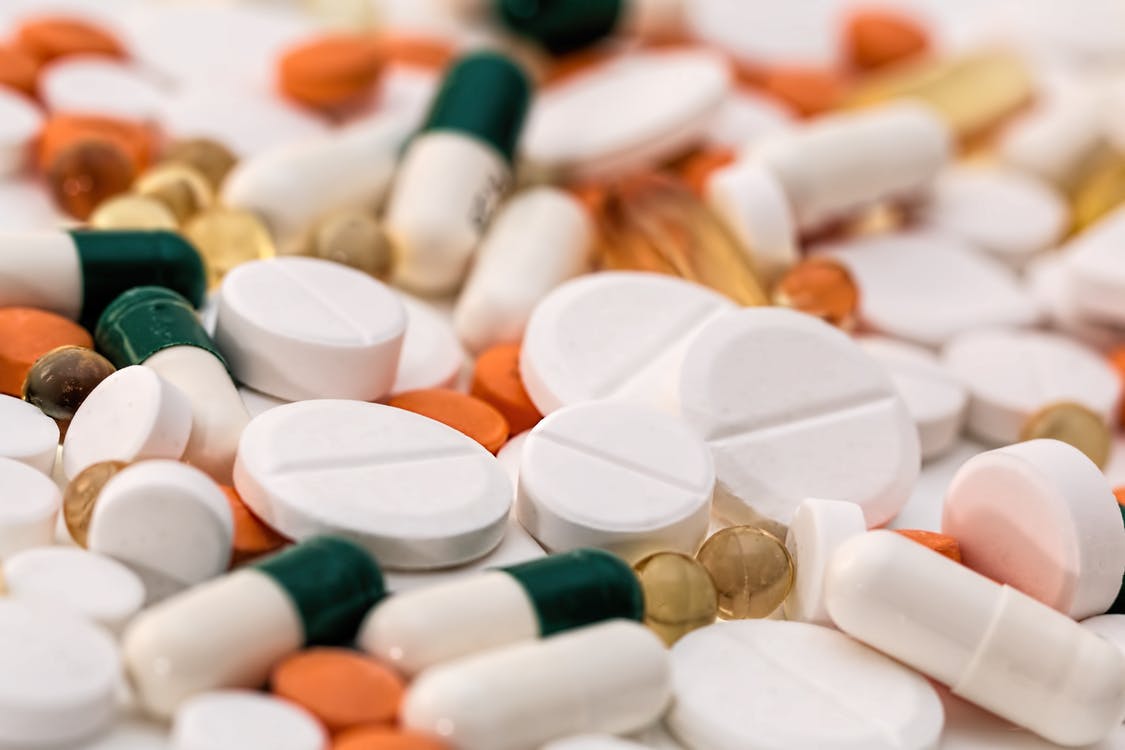
GetHealthAccess.com | Medicines and supplements you must always have at home | It always pays to be ready, and this holds true especially when the world is grappling with a public health crisis. As the pandemic rages on, we see an increase in demand for medical supplies and a decreased mobility. You can be a step ahead by stocking up these medicines and other supplies at home.
1. Multivitamins
Health is wealth so it’s wise to boost your immune system. Apart from proper diet, exercise, and adequate sleep, you can be in top shape if your body has essential vitamins and minerals.
For strong immunity, drink 1000 mg of Vitamin C paired with Zinc for better absorption. To keep your nerves healthy, take B complex. For better blood circulation and improved oxygen flow, you must have iron. For stronger bones, calcium is the way to go.
Multivitamin requirements also depend on gender and age so if you have a big family with diverse needs, you must have different brands and bottles.
2. Antihistamine
Allergies can be life-threatening for some so an antihistamine is considered an essential in your medicine cabinet. Food, dust, pollen or other allergens may trigger allergy attacks and you wouldn’t want to go to the hospital in a rush if it worsens.
3. Paracetamol
From addressing fever to easing pain, paracetamols help provide immediate relief. Kids usually have a different dosage depending on weight, height, and age. Adults are usually allowed 500 mg (one tablet) to be taken every four to six hours.
4. Antiseptics
Accidents happen at home. To avoid infections due to cuts or wounds, a bottle of antiseptic must be always on stock. According to microbiologist and researcher Dr Michell Alfa, an antiseptic, when applied to the skin, target cell walls causing them “to burst their guts.” An antiseptic can also spur acid changes on the skin so the bacteria would no longer replicate and further penetrate the body.
5. Compression bandage
Curing sprains, ligament injuries, and muscle pains may need the use of elastic bandages. Have some in handy so you can immediately address pain points.

6. Ice and heat packs
For bumps, bruises, swelling, you need ice or heat packs. Bumps on the head of your toddler? An ice pack will help prevent further swelling. Muscle cramps that’s unbearable? Heat packs may just be what you need. Call your family doctor to know what suits your condition best as heat or ice therapy have varying effects.
7. Thermometer
Every home must have at least two thermometers–with one as a backup or to check temperature consistency. Thermometers help you determine whether a fever is low-grade or high, and it will also guide you, with your doctor’s orders, on how much paracetamol to take in a certain number of hours. Thermometers these days come in various shapes and sizes– there’s handheld, there’s one for the armpit or mouth. Find one that best suits your needs and invest in a reputable brand.
8. Oximeter
In a COVID-hit world, this emergency room tool has become a must-have in every home. It detects a patient’s oxygen level and pulse rate, which are crucial in determining the state of the sick person. Normal oxygen levels range from 95 to 100 and anything lower than it may need reapplication of the oximeter or consultation with the doctor. Pulse rate should be within 60-100, so anything lower than the minimum and higher than it may also warrant professional medical attention.
9. Blood pressure monitor
This is now a must in every household, even if there is no hypertensive resident. Blood pressure is crucial in determining effects of COVID in a patient. If you’re feeling cooped up at home and stress is taking over you, it would also be great if you can check your blood pressure.
Need all these? Buying these necessities is just a click away with Qure.ph’s online pharmacy. Find one that caters near you, today.
Don’t have an account yet? Sign up now for great health-related deals, see a wide array of credible and dependable doctors, and more! Membership is free.


